
RU EVENT
ID Field Trip

Learning Sustainability in Action: Visit to Sankyu Technical Academy
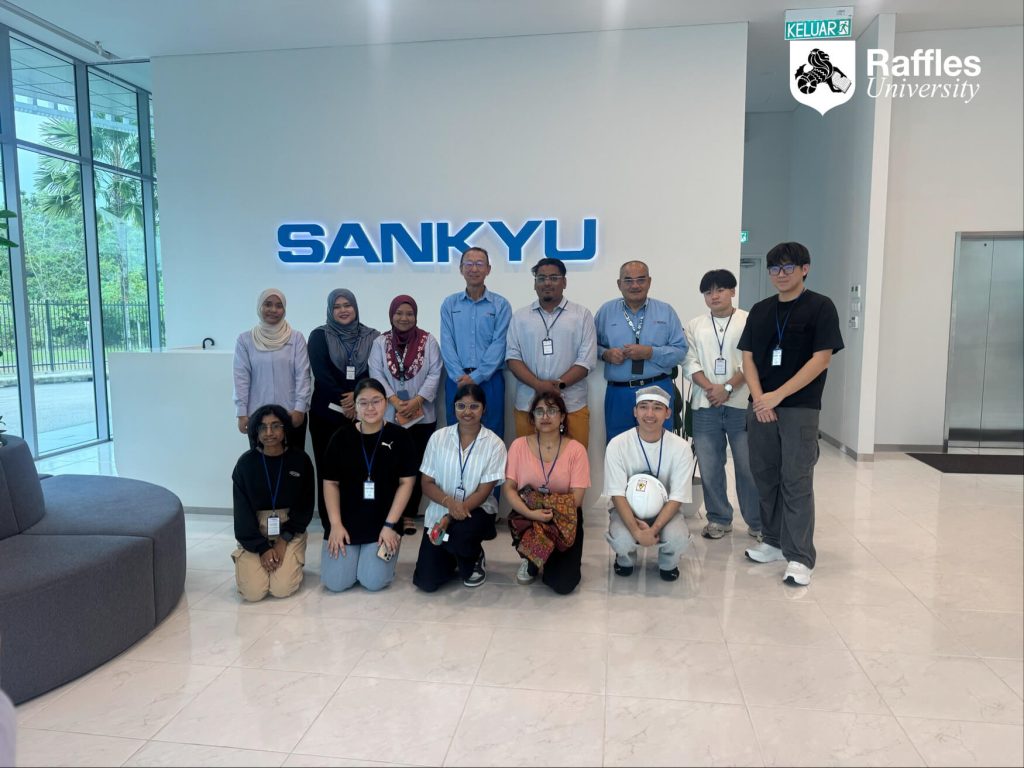
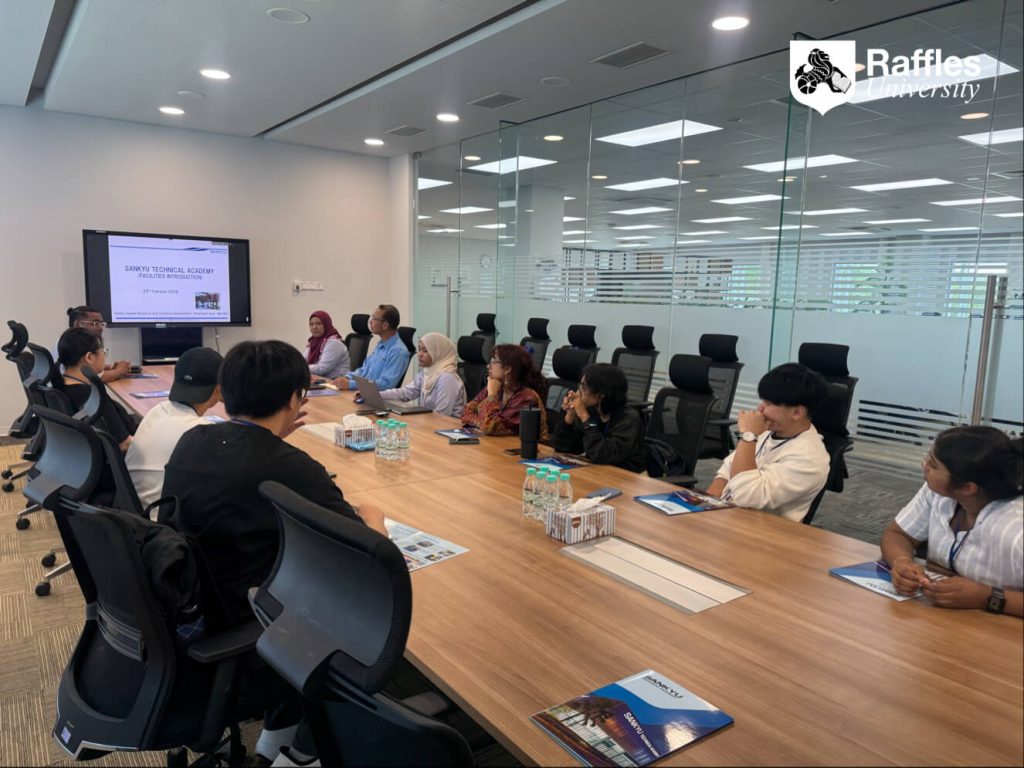
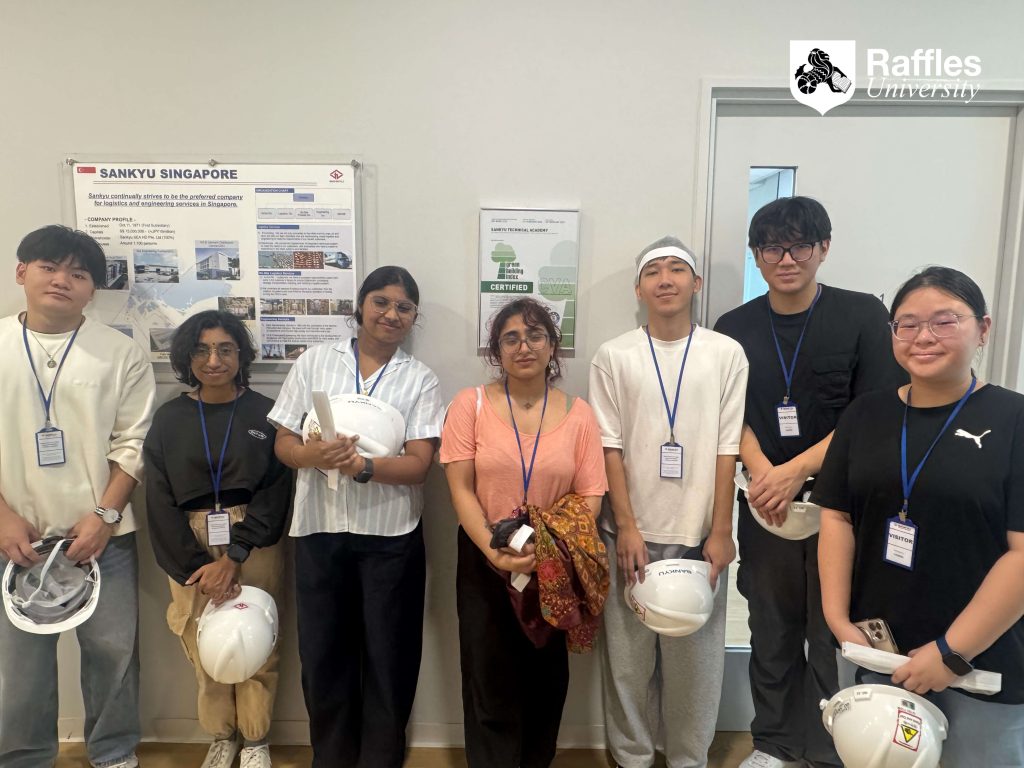
Students from the Faculty of Built Environment and Regenerative Design had the opportunity to take part in an educational visit to Sankyu Technical Academy, where they explored how sustainable design and green building practices are implemented in a real-world environment.
The visit provided valuable insights into sustainable architecture, green technology, and environmentally responsible building management. It was designed to help students understand several key aspects of sustainable building design and environmental responsibility, including how building layouts incorporate sustainability elements into the overall design.
Students also learned about sustainability principles applied through both passive design strategies, such as natural ventilation, daylighting, and building orientation, as well as active design approaches that utilise technology-driven systems. In addition, they were introduced to the Green Building Index (GBI) certification process, including how buildings apply for certification and how green cost estimation is calculated. The visit also allowed students to explore the functions, effects, and advantages of sustainable approaches used in the building.
Through this experience, students were able to observe how theoretical knowledge about sustainability is translated into practical building solutions in a real-world setting.
Experiencing Sustainable Design First-hand
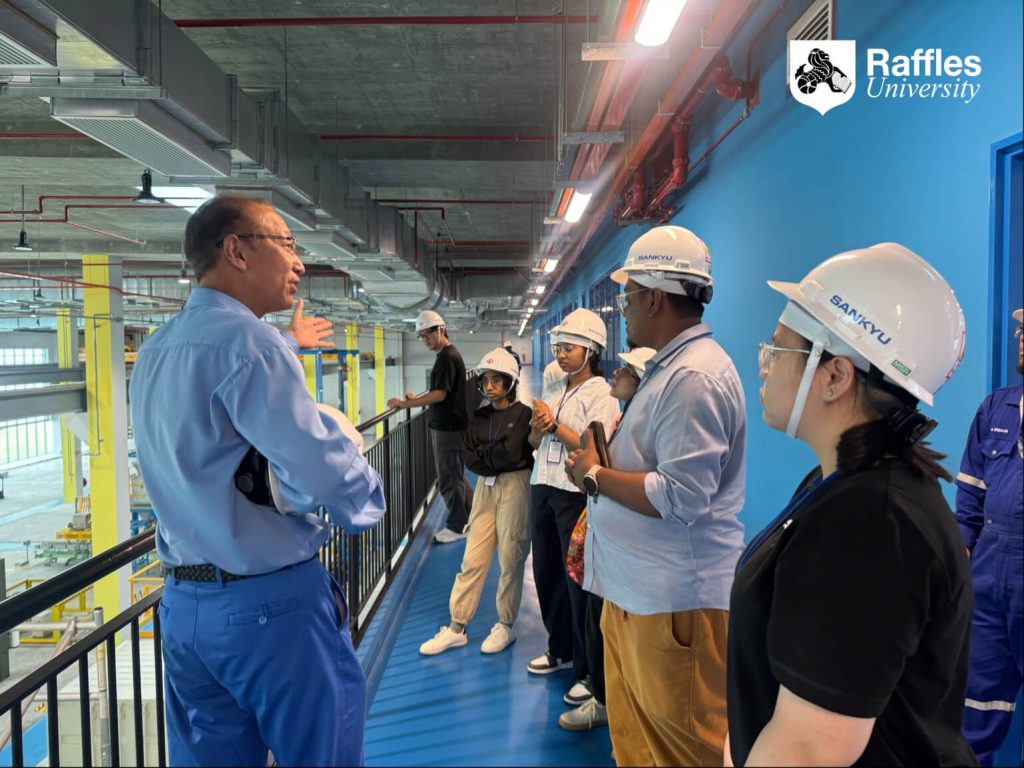
During the field trip, students explored several key areas within the academy that demonstrate how sustainability is integrated into everyday building operations and spaces.
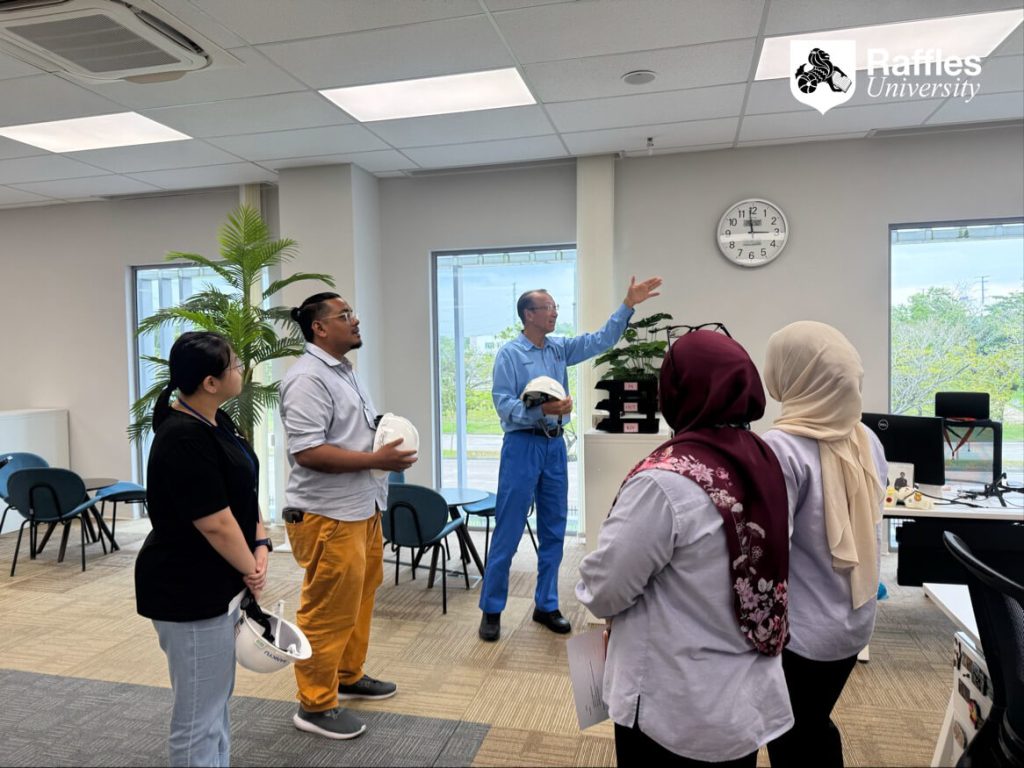
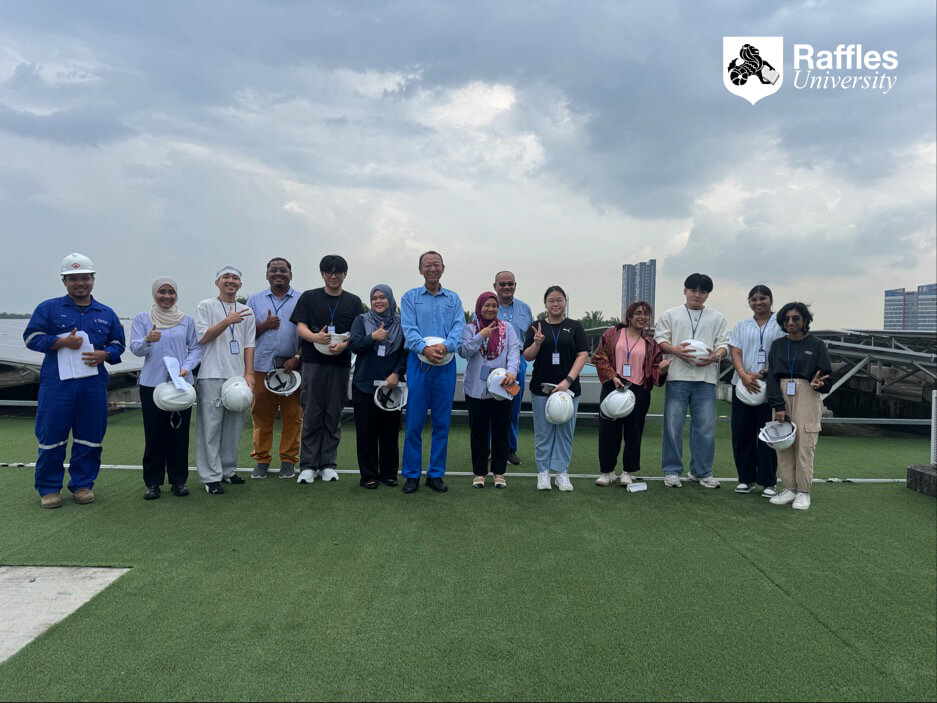
They visited the offices and lounge areas, where they observed workplace designs that prioritise comfort while maintaining energy efficiency. The group also viewed the rooftop solar photovoltaic panels and learned how solar energy is generated and utilised to support the building’s energy needs. In the machinery and equipment rooms, students gained insight into the technical systems that enable efficient building operations.
The tour continued through the canteen and dormitory facilities, where students saw how sustainability principles are applied to daily living environments.
They also had the opportunity to observe training classes during actual sessions, allowing them to witness the academy’s learning environment in action.
Another interesting feature was the biophilic smoking area, which integrates natural elements into a functional space to create a more pleasant and environmentally conscious environment.
In addition, students were introduced to the rainwater harvesting system, which demonstrates practical water conservation and sustainable resource management within the building.
The visit allowed students to observe how sustainability can be integrated into different aspects of building design and operation. From renewable energy systems to water management strategies, the academy showcases how green practices can improve environmental performance while enhancing the quality of space for its users.
By experiencing these systems firsthand, students gained a deeper appreciation of how sustainable architecture and engineering contribute to a greener future.