RU EVENT
Unseen JB town stories Part 2

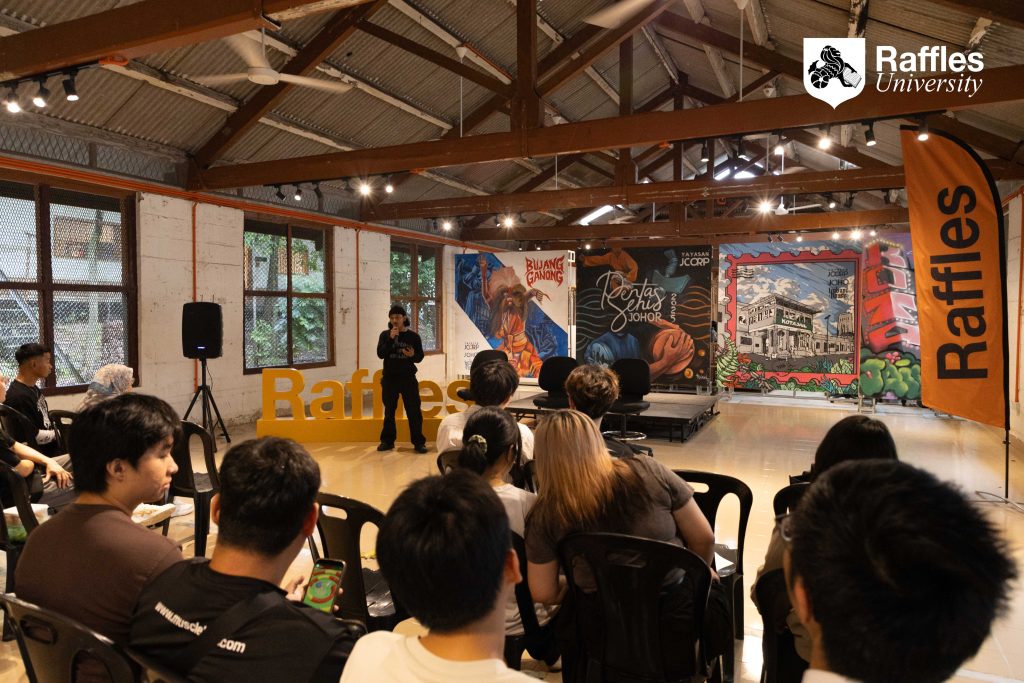
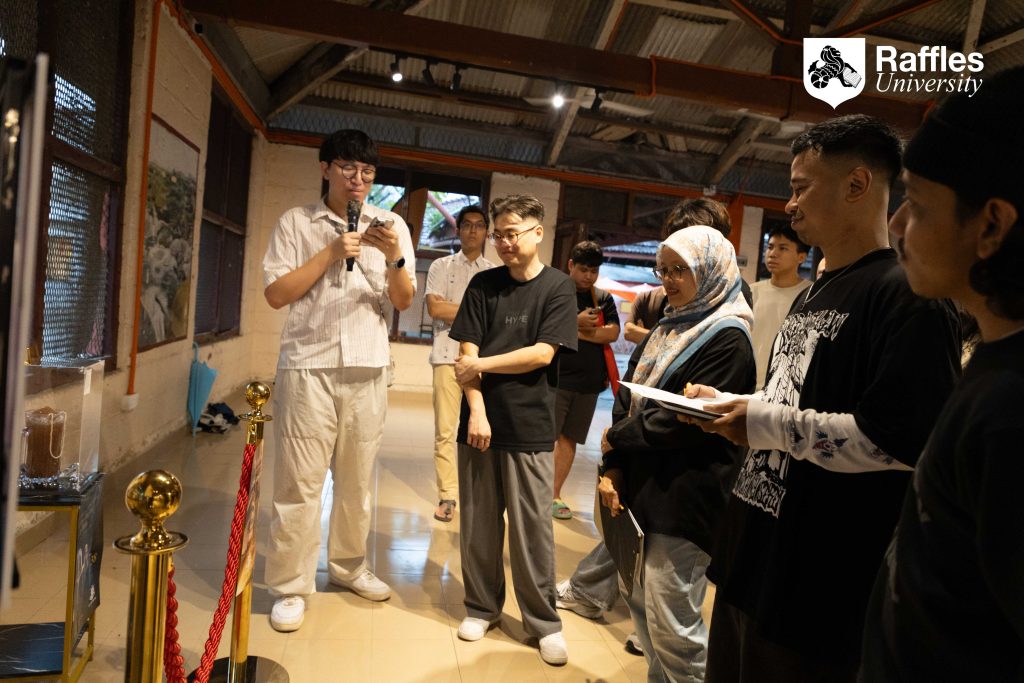
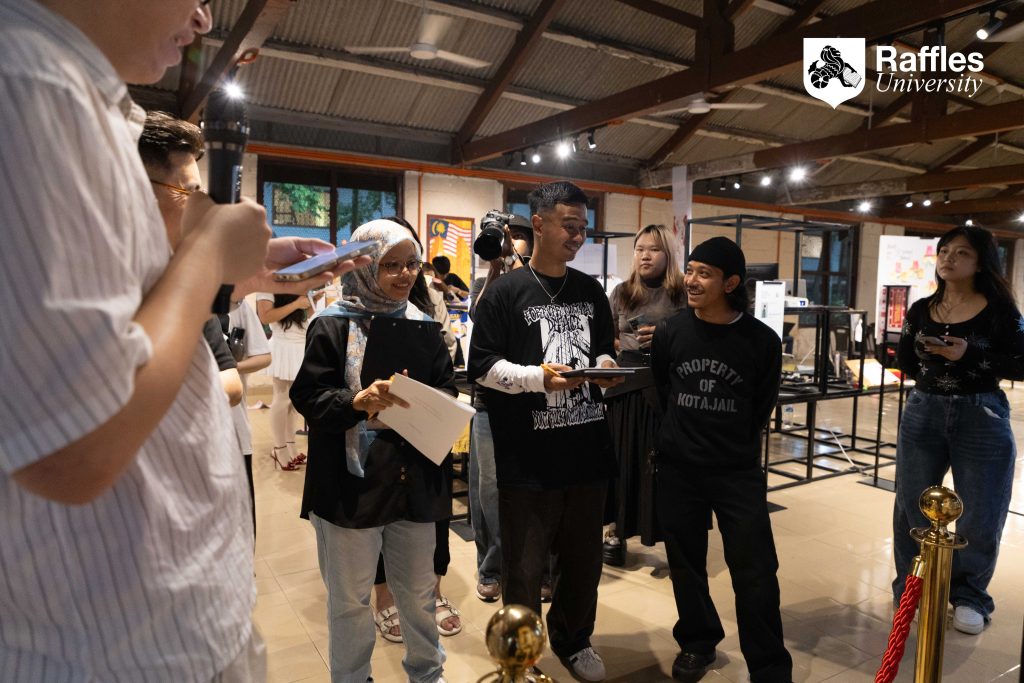
Panel Session Highlights: Unlocking Community-Driven Design at (Un)Seen the JB Town Stories
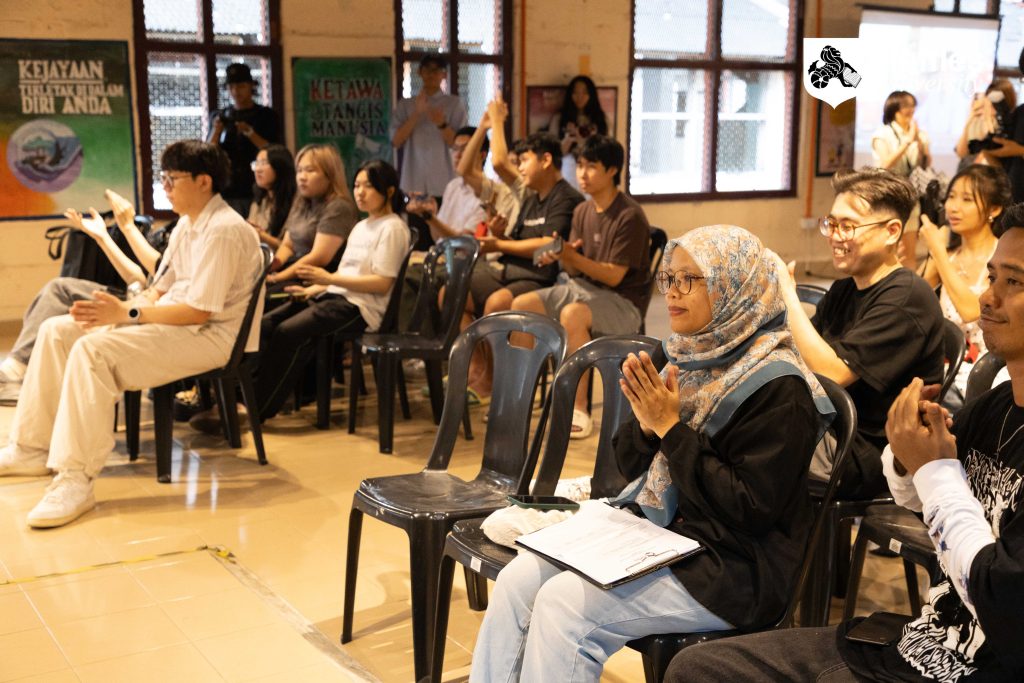
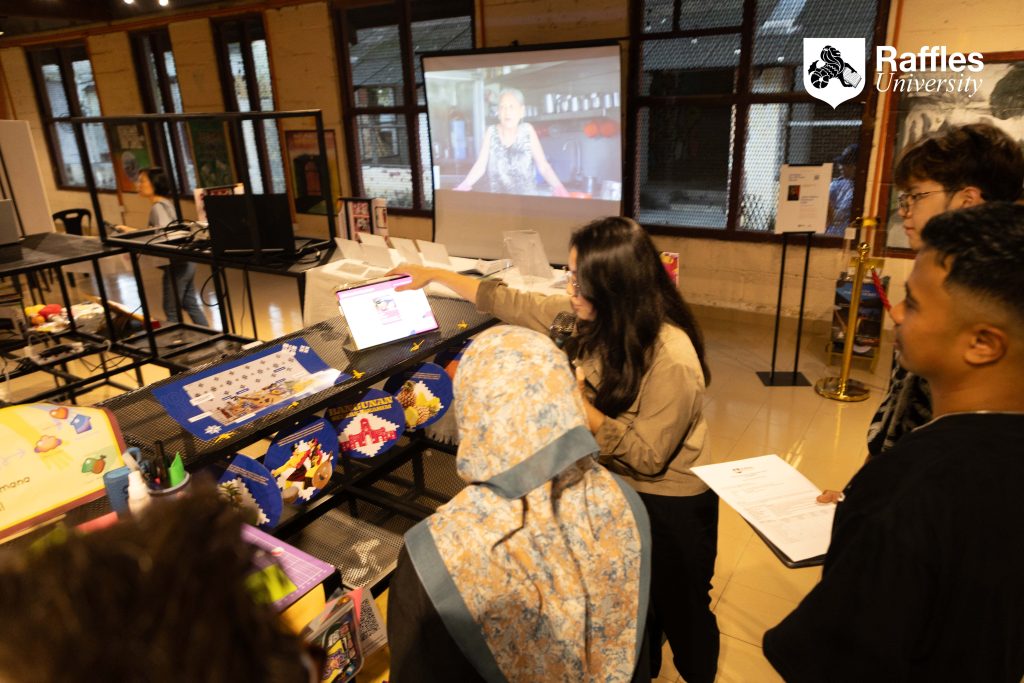
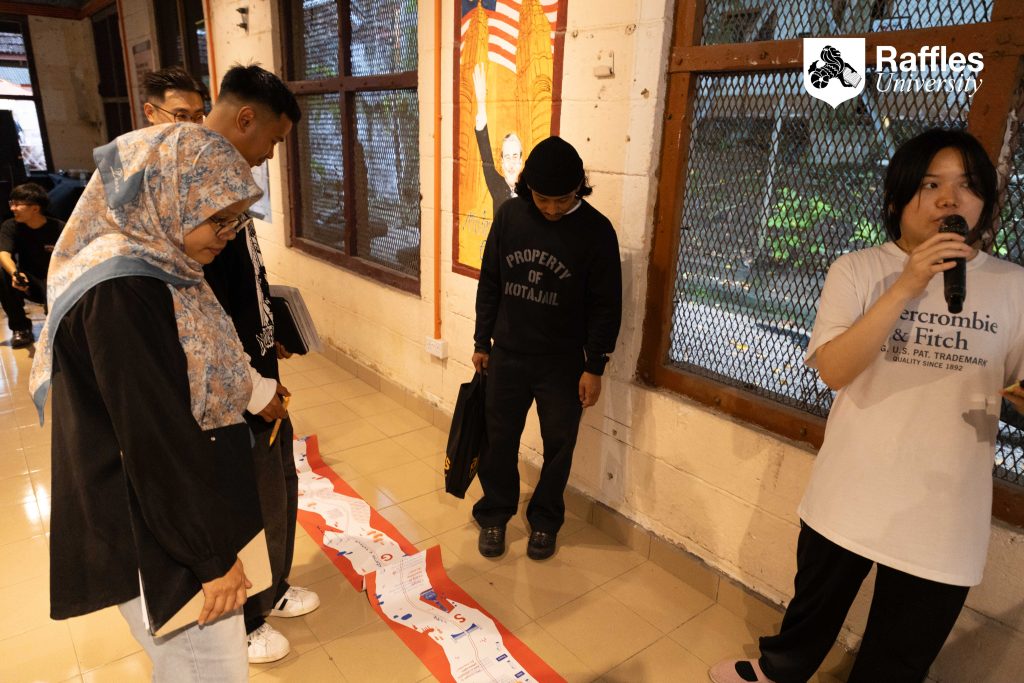
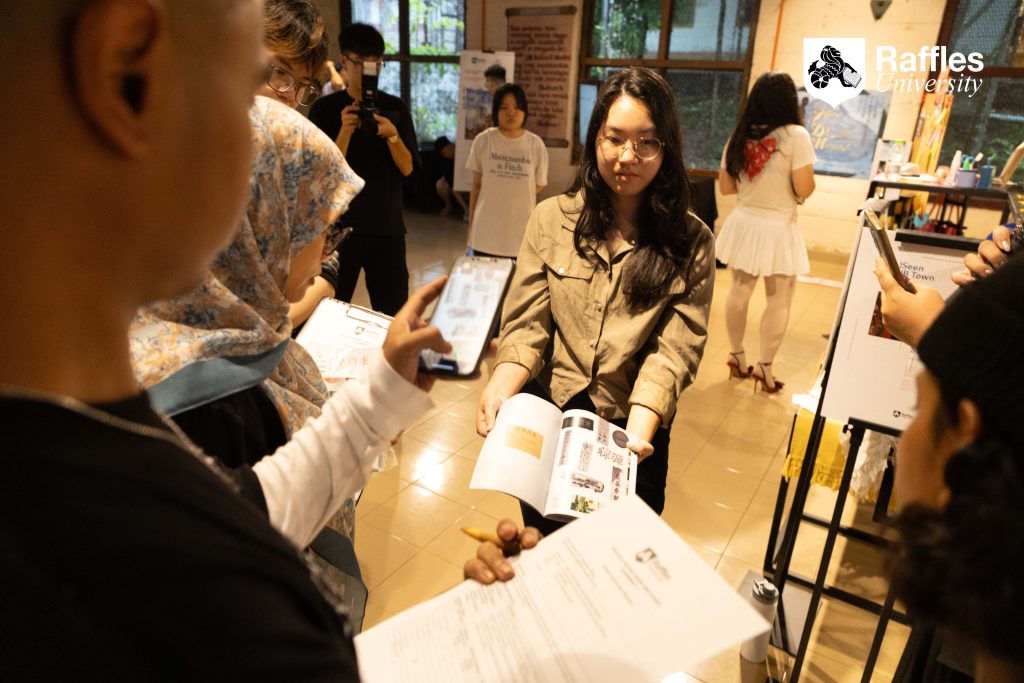
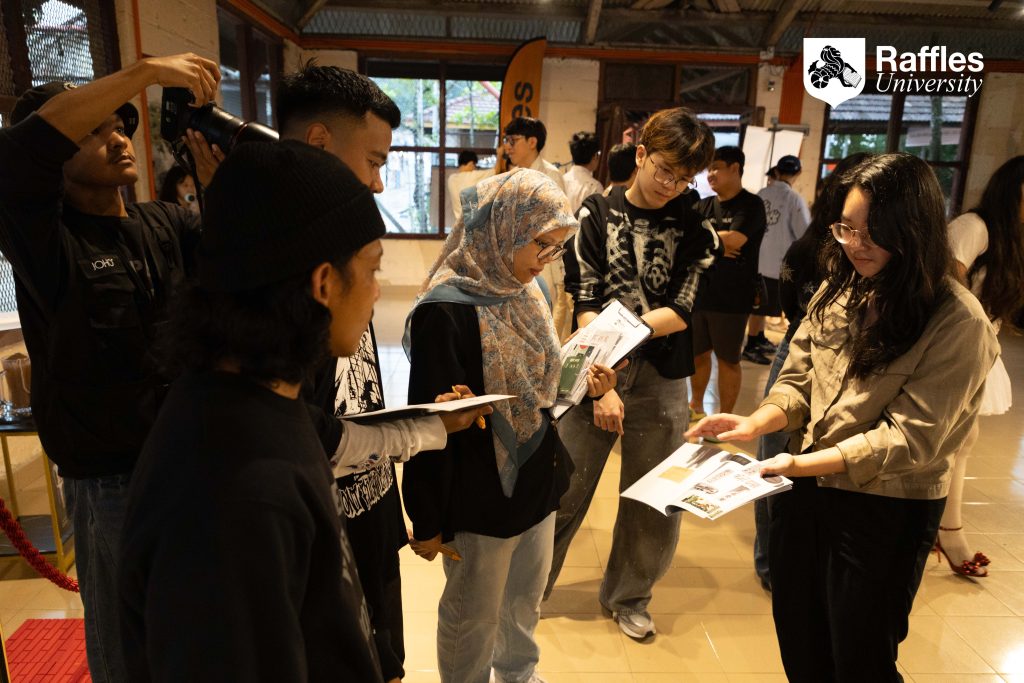
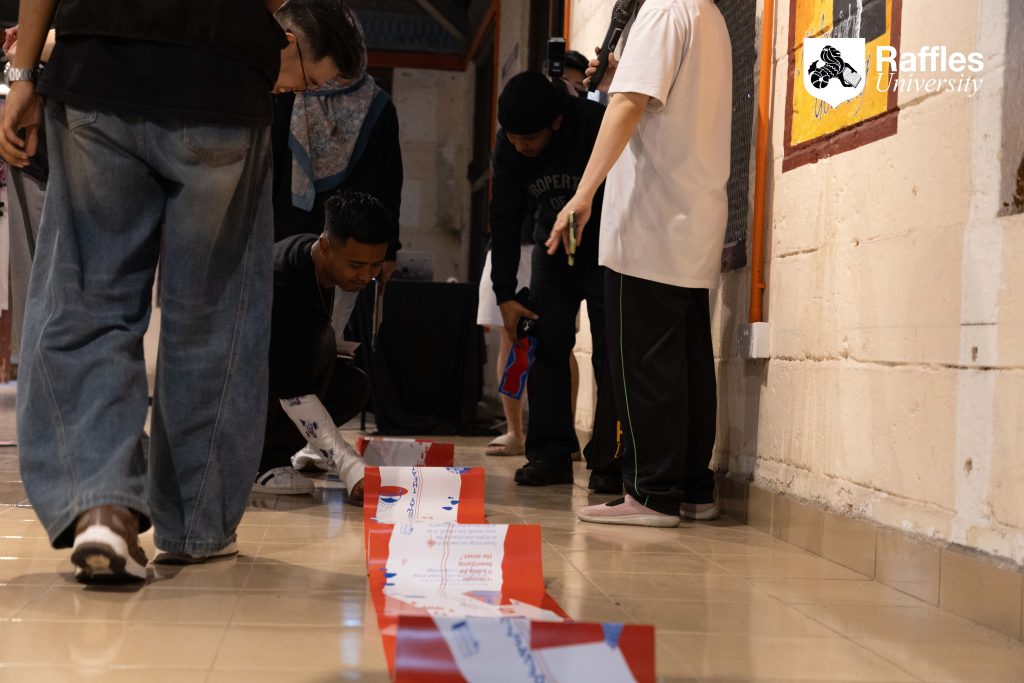
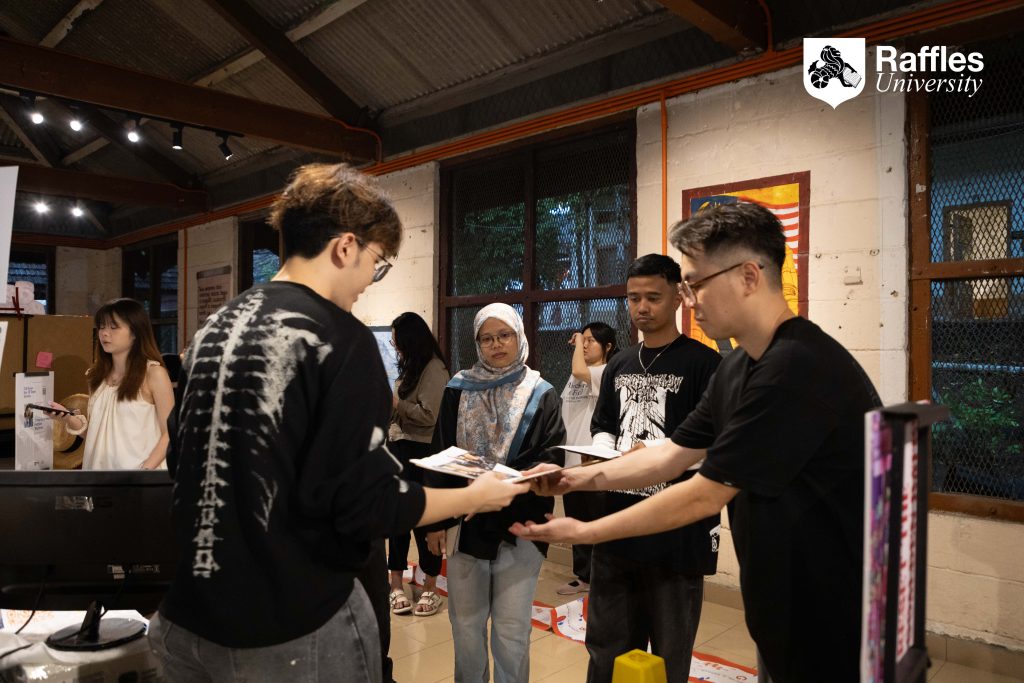
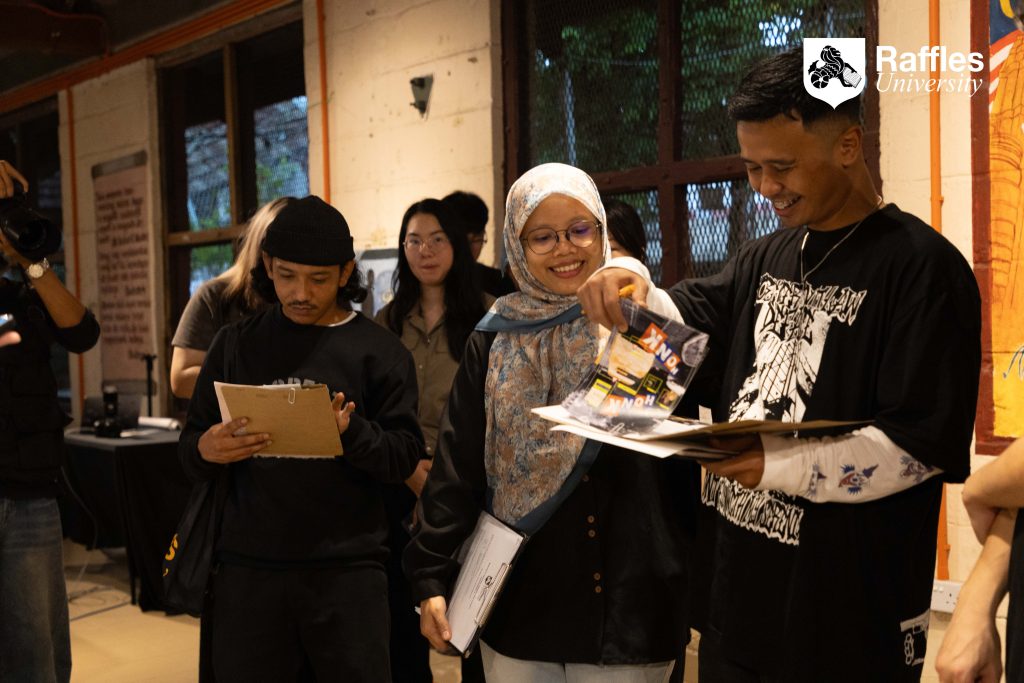
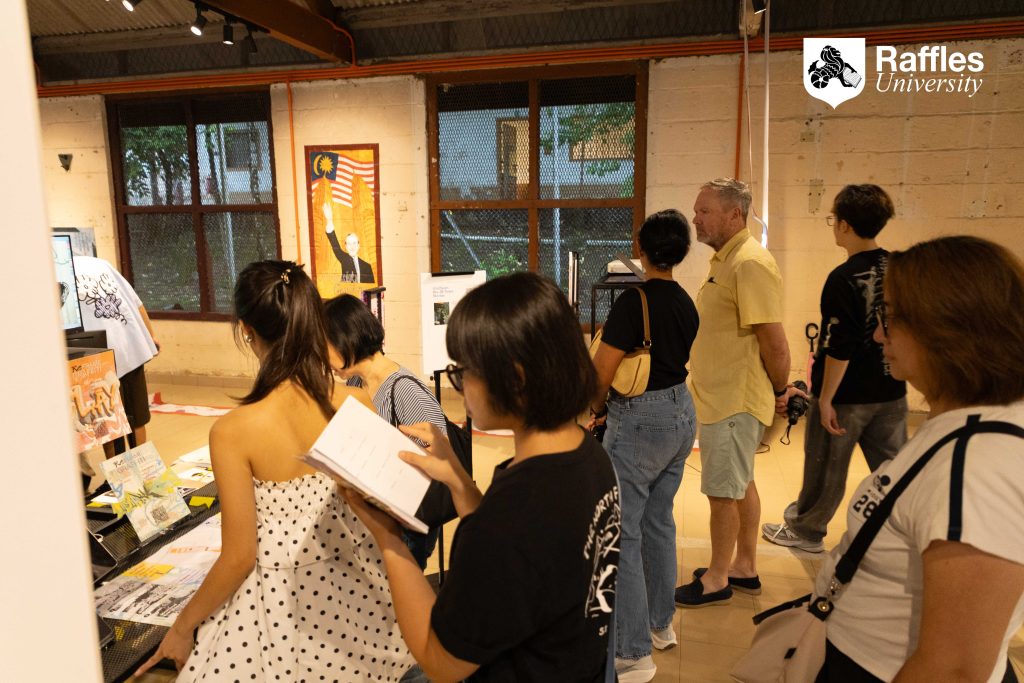
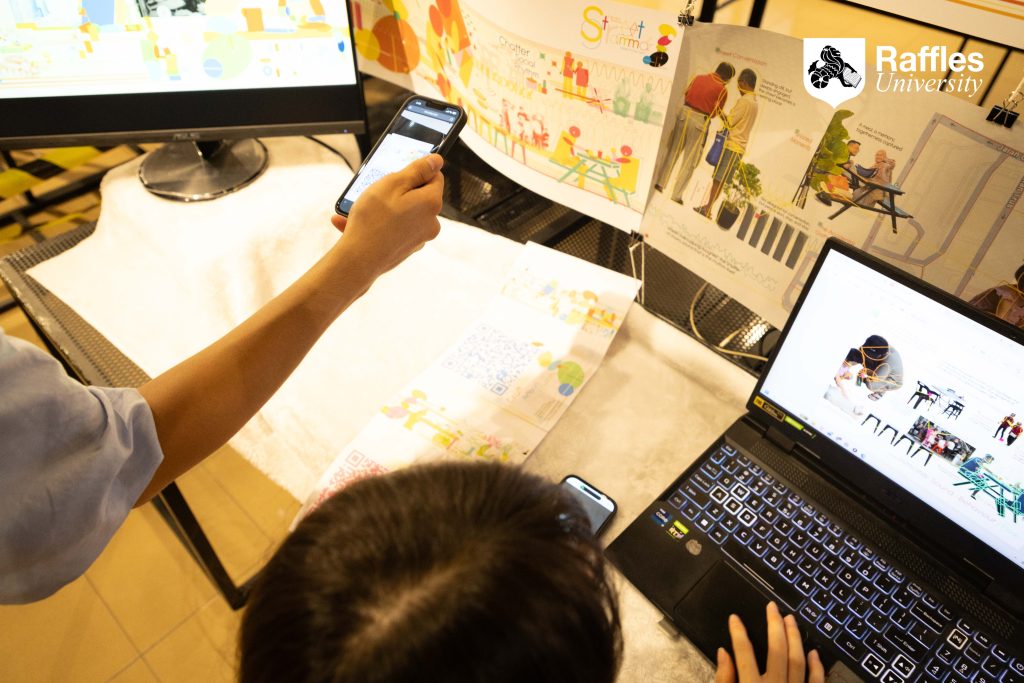
Design education reaches its true potential when learning steps beyond the traditional lecture hall and immerses directly into the heart of the community. At the recent (Un)Seen the JB Town Stories mini public showcase held at KOTAJAIL, Ayer Molek, Raffles University students experienced a transformative shift in perspective during an exclusive panel discussion dedicated to creative practice, authentic storytelling, and community-centred design. Part of the BGD 33053 Graphic Design and Society module, this initiative challenges Bachelor in Graphic Design (Honours) students to act as ethical observers, interpreters, and communicators within urban spaces.
Setting the Stage for Authentic Dialogue
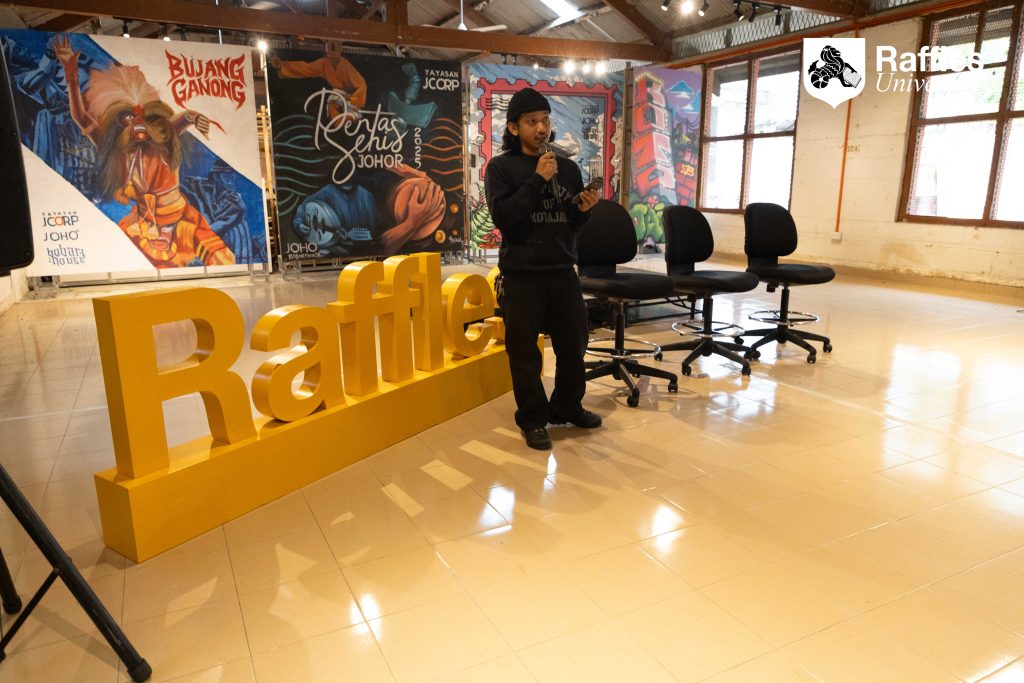
The session opened with an inspiring address by En. Fadzir Shohimi (En Kecik), Chief Creative Officer of KOTAJAIL. By framing the cultural significance of the venue and the importance of preserving local narratives, En Kecik set an inviting, thought-provoking tone for the entire dialogue, encouraging students to view design not merely as visual art, but as a catalyst for social engagement.
Insights from Industry Practitioners
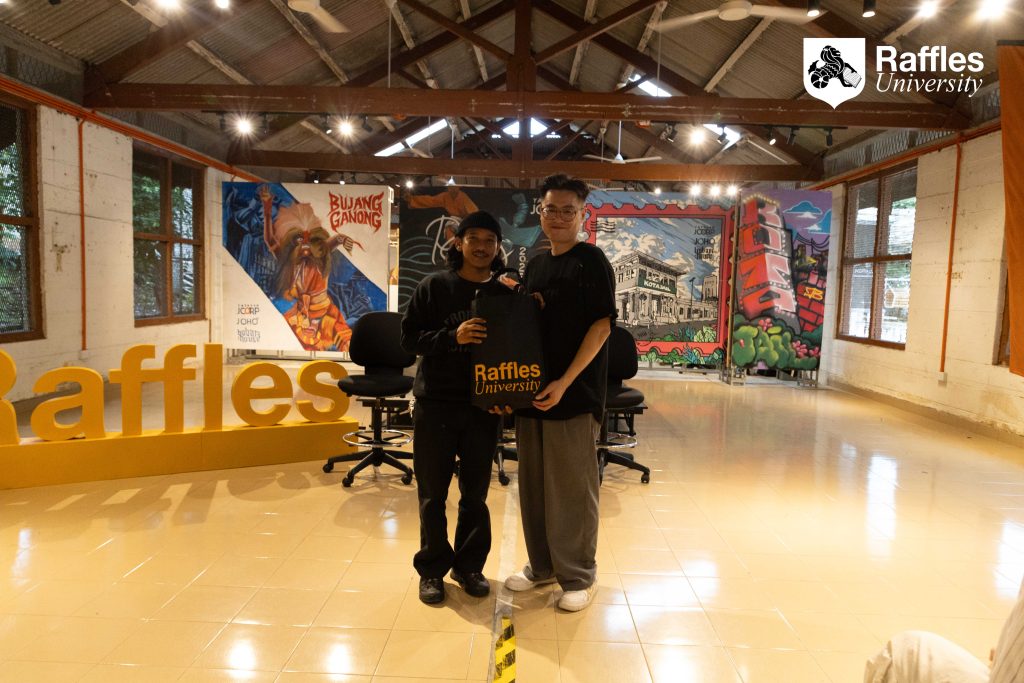
The panel brought together two distinguished guest speakers whose work bridges street culture, heritage preservation, and visual communication:
Nurul Izzati binti Ramlee (Jaie Ramlee)
Afiqe Fariq (apayangfresh)
Both creative artists shared rich, personal accounts of their journeys, discussing how they navigate real-world creative practice while keeping community identity at the centre of their work. They unpacked the art of genuine storytelling, illustrating how deep cultural research and lived experiences feed into meaningful, socially responsible design solutions.
Applying the ETHICAL Framework & UN Sustainable Development Goals
A central focus of the discussion was examining how design decisions impact society. Panelists and students explored design through the lens of the ETHICAL Framework:
Equity & Inclusivity: Ensuring marginalized narratives are represented without bias.
Contextual Sensitivity & Honesty: Respecting the local history, place, and culture of Johor Bahru while portraying reality truthfully.
Accessibility & Longevity: Creating visual communications that serve the community long after the event wraps up.
Furthermore, the session reinforced key UN Sustainable Development Goals (SDGs), specifically SDG 11 (Sustainable Cities and Communities) by promoting urban heritage awareness, and SDG 17 (Partnerships for the Goals) through the co-creation between academia, industry practitioners, and the local public.
A More Meaningful, Immersive Learning Experience
By stepping out of the conventional classroom, students gained a firsthand understanding of how design impacts local neighbourhoods:
Beyond Theory: Students observed how professional artists translate complex social topics into resonant visual statements.
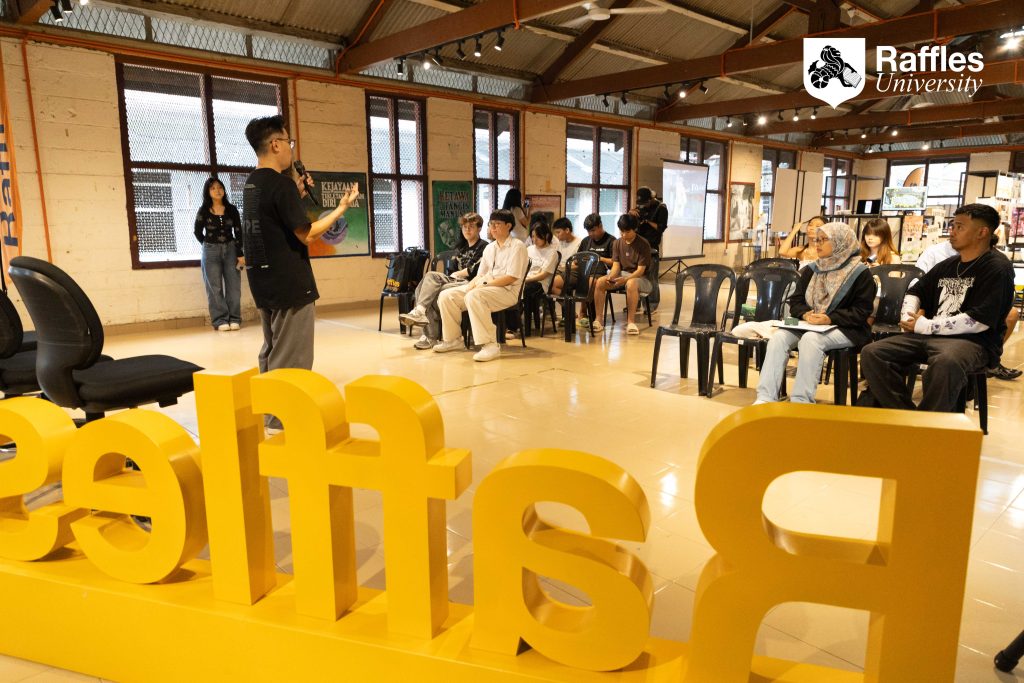
Impactful Engagement: Interactive Q&A moments allowed students to bounce ideas off seasoned practitioners, refining their visual concepts for public critique.
Immersive Context: Hearing local stories spoken within a historic venue added layers of depth to their ongoing field research, turning abstract concepts into deeply felt inspiration.
By connecting emerging student designers with established community voices, the panel session highlighted the core ethos of Raffles University: cultivating creative talent through real-world exposure, impactful practice, and immersive learning that extends far beyond campus walls.