
RU Event
Exploring Street Food Through Social Design Research

Raffles University Graphic Design Students Explore Street Food Through Social Design
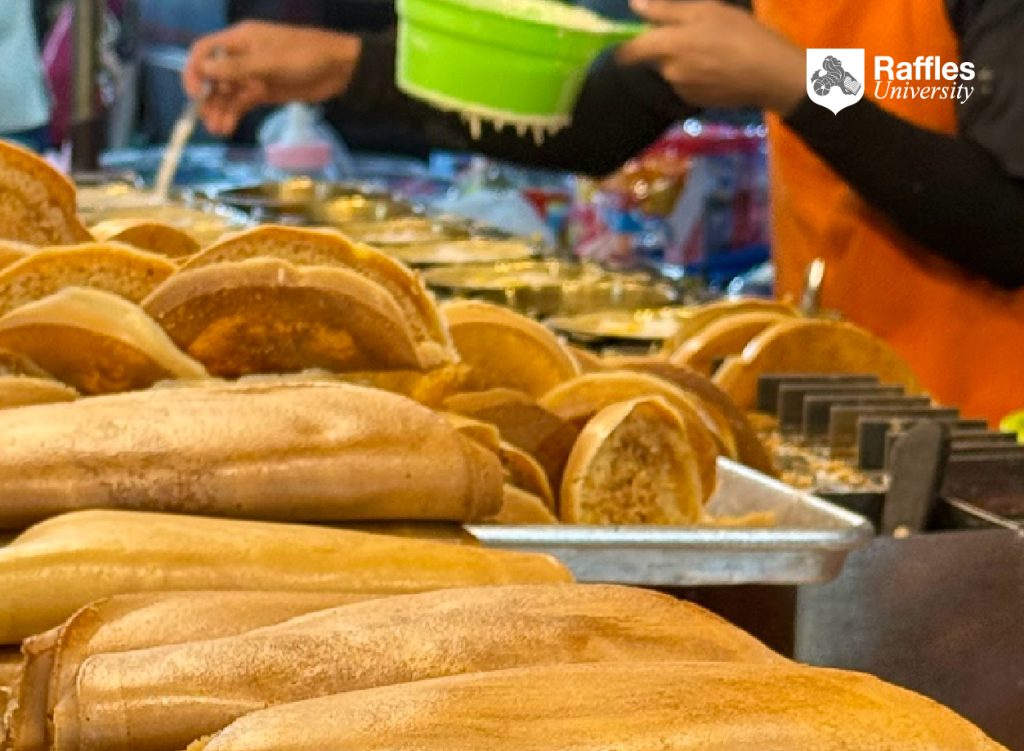
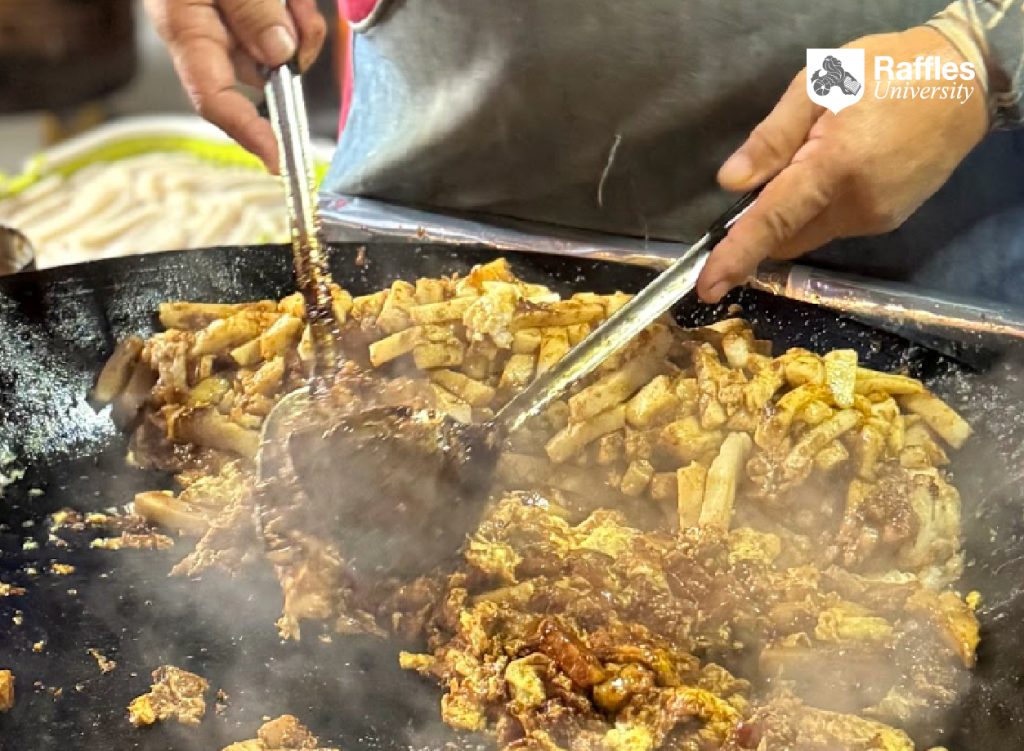
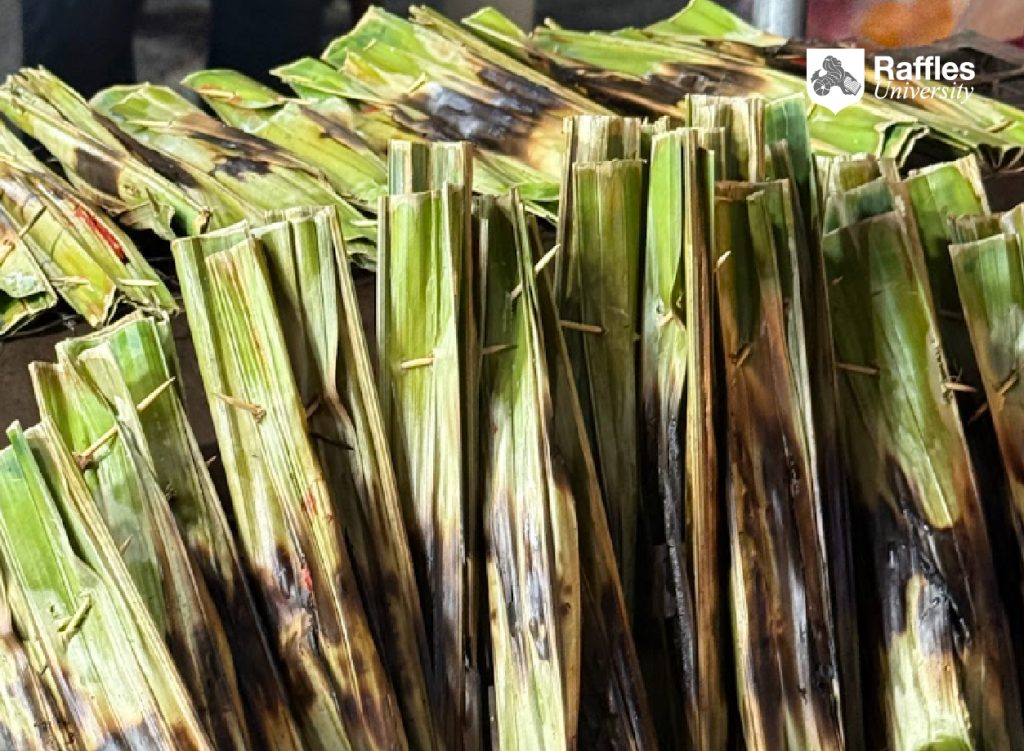
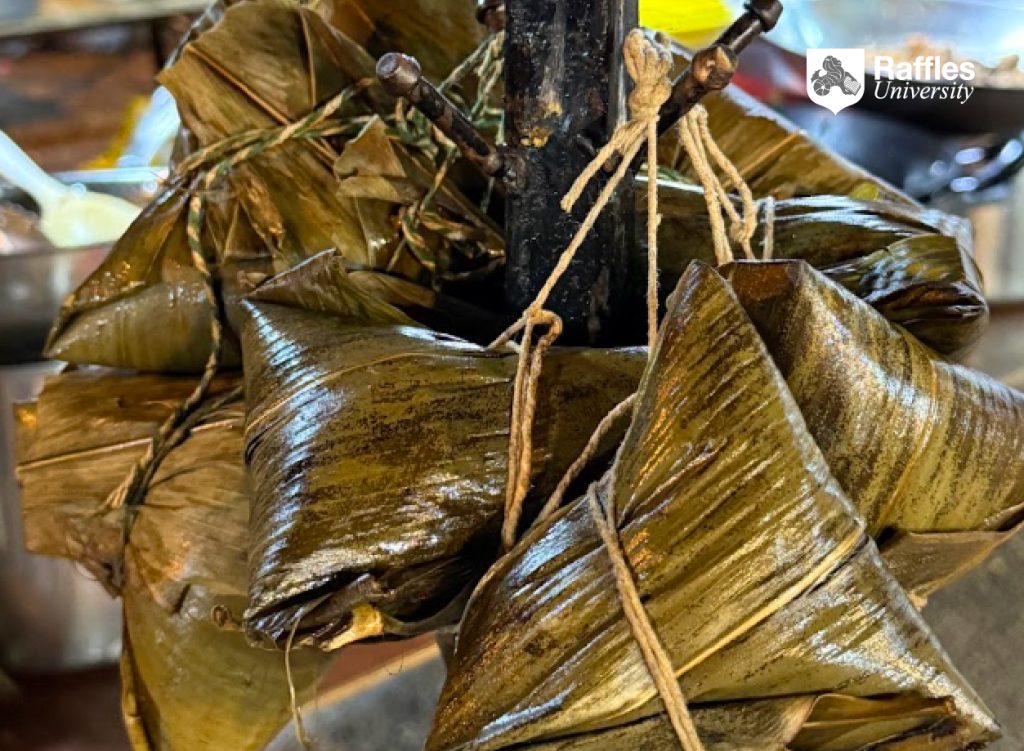
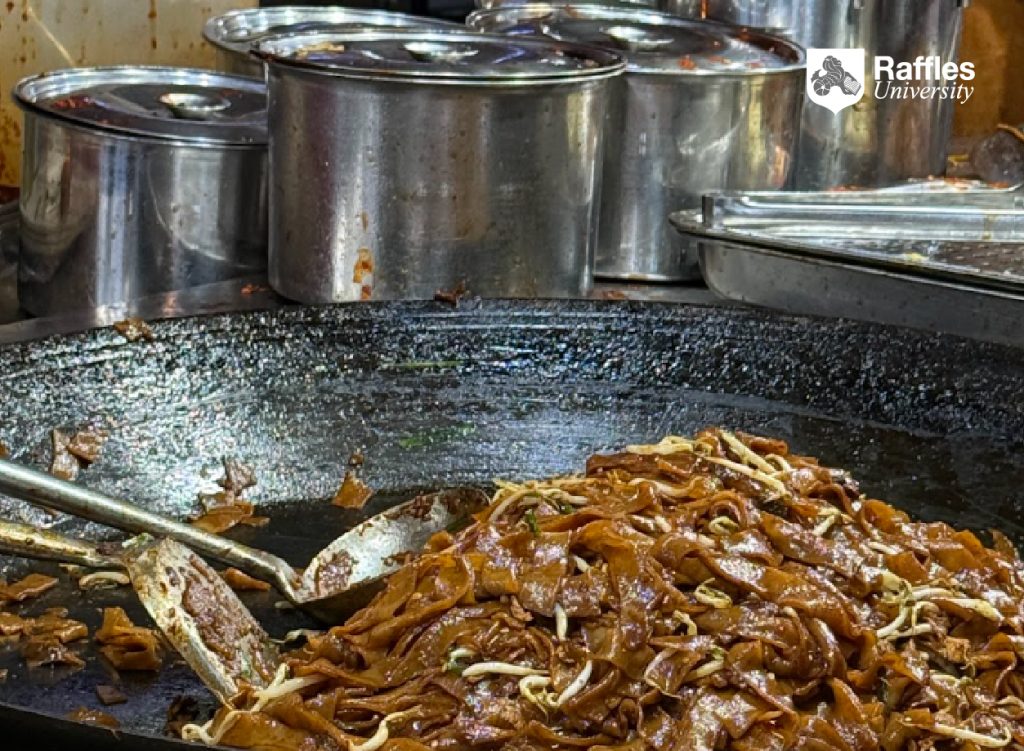
Street food vendors represent a vital but often overlooked part of the social, cultural and economic fabric of Malaysian communities. Through the project Street Food as Social Design Inquiry, Raffles University Graphic Design students explore how design can be used to understand real social concerns and create meaningful and positive impact on society.
Looking Beyond Aesthetics Through Social Design
The Social Design Research & Solution project encourages students to look at the world around them through a designer’s lens, observing beyond the surface, navigating ethical boundaries and identifying real social concerns.
From a design perspective, the presence of street food vendors in public spaces provides an opportunity to explore how systems, spaces, services and storytelling interact organically within communities.
Through participatory research and design thinking, students learn how to gather data, synthesise insights and ideate responsible and meaningful design responses that go beyond aesthetics.
A Collaborative Social Design Project
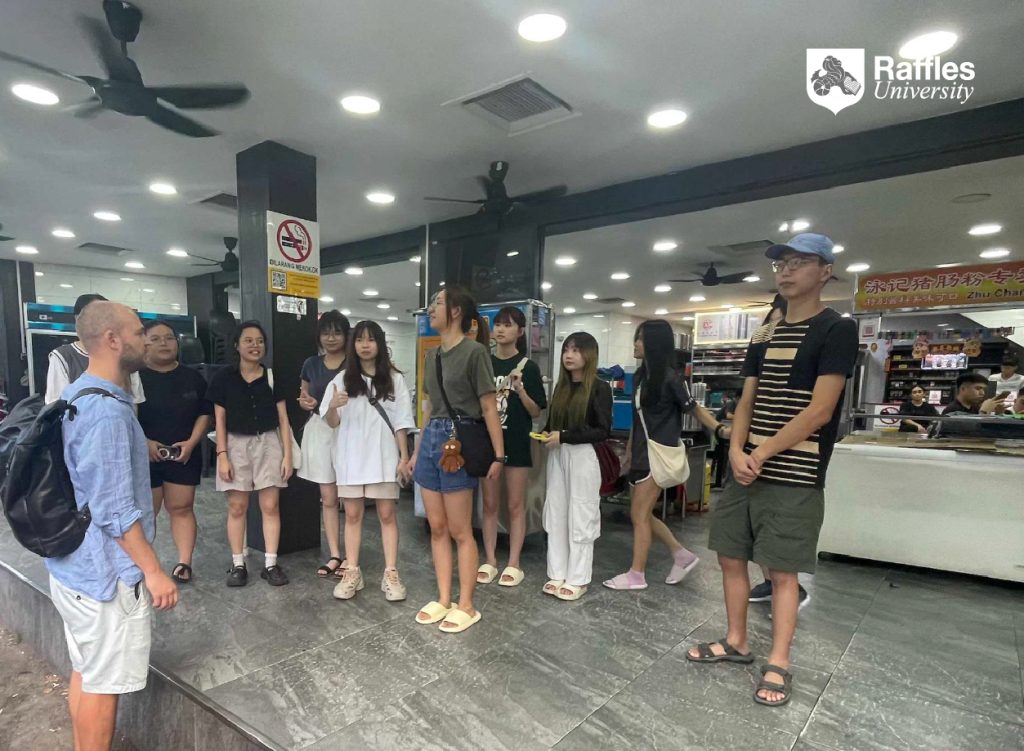
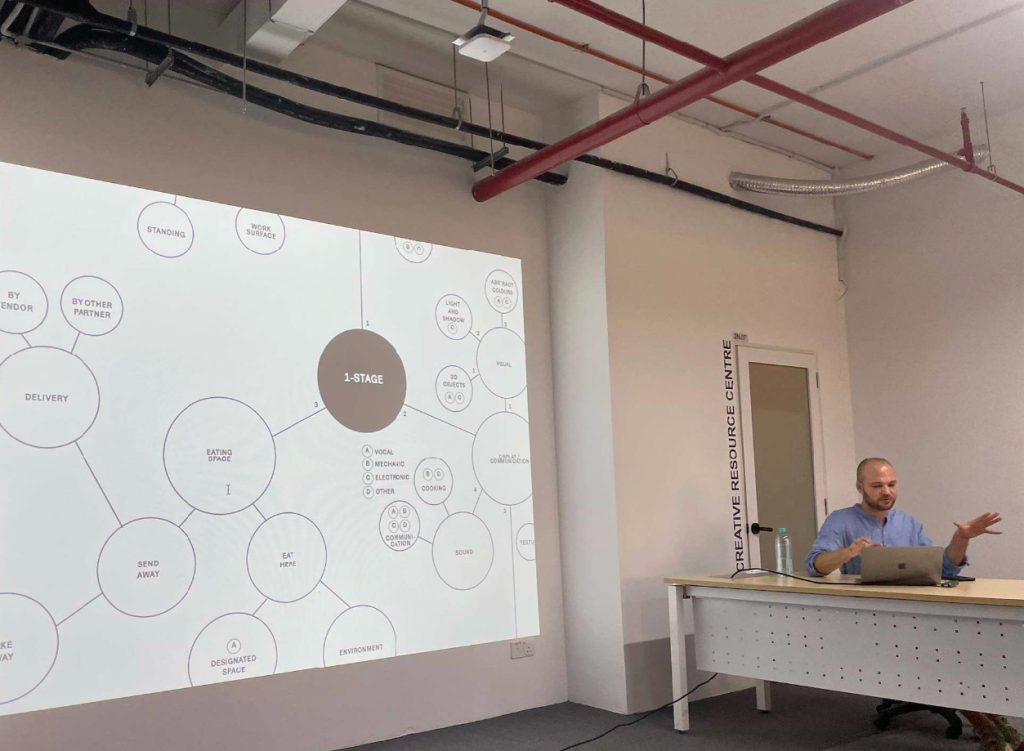
Street Food as Social Design Inquiry is a collaborative project proposed by design researcher Taurus Stalnionis, based in Rome, Italy.
Through the project, students apply their graphic design skills to investigate complex issues and consider how design can create a meaningful and positive impact on society.



Designing with Responsibility
An important part of the project is encouraging students to consider the ethical, legal and social issues involved in graphic design.
Students are expected to investigate complex issues that may arise when producing graphic designs and propose solutions based on ethical considerations when responding to a design brief.
The project also encourages students to practise design professionalism when engaging with the general public or potential clients regarding ethical, legal and social issues in graphic design.
Connecting Social Design with the Sustainable Development Goals
The assignment is aligned with four United Nations Sustainable Development Goals (SDGs), connecting practical design education with wider social, economic and community considerations.
SDG 4 – Quality Education
The project focuses on hands-on, practical learning by teaching students how to apply design research methodologies in real-world contexts.
SDG 8 – Decent Work and Economic Growth
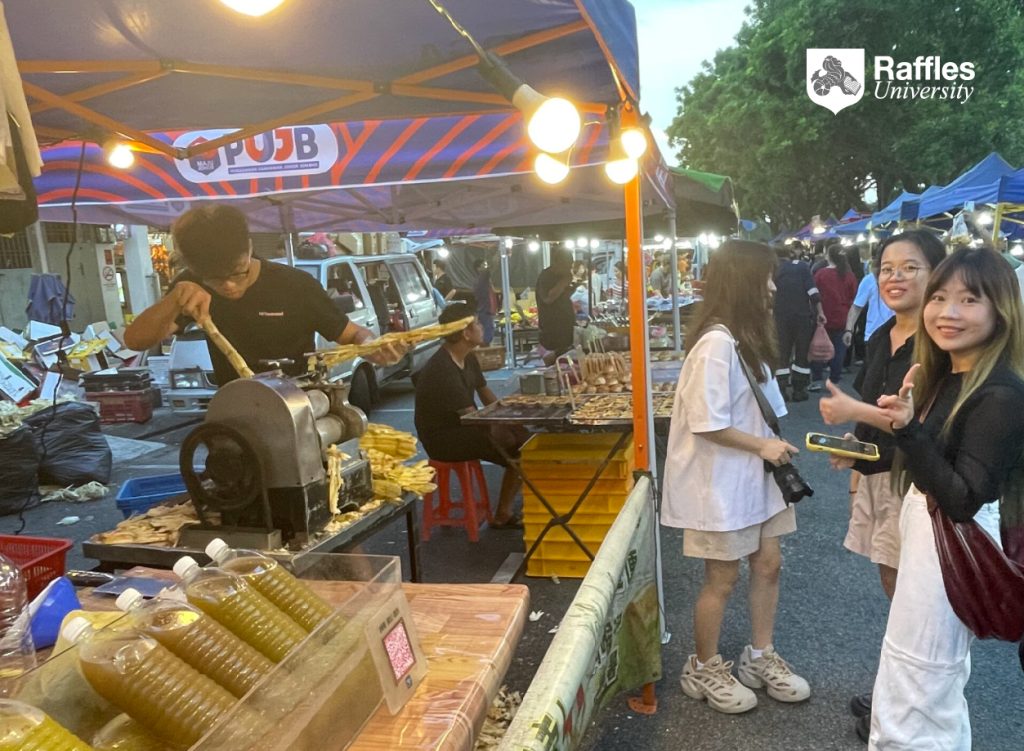
By engaging with street food vendors and understanding their operational challenges, mobility and use of public spaces, students indirectly contribute to supporting local economies and informal work sectors.
SDG 11 – Sustainable Cities and Communities
By analysing mobility, public space use and storytelling, students contribute to discussions around urban inclusivity, resilient economies and vibrant public spaces. Research outcomes may lead to more sustainable urban design solutions that better accommodate informal economies.
SDG 17 – Partnerships for the Goals
The project reinforces collaboration and stakeholder engagement in decision-making. Encouraging university-community-external partnerships reflects the cross-sector collaboration that supports the Sustainable Development Goals.
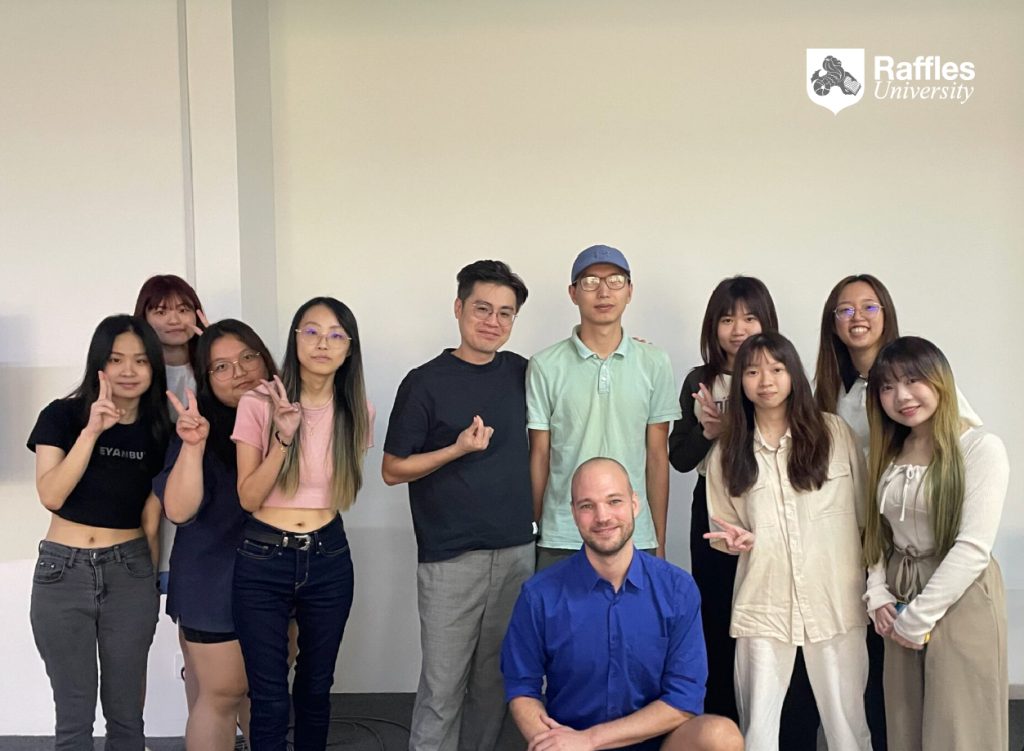
Design Beyond Aesthetics
Street Food as Social Design Inquiry encourages students to consider design as more than a visual outcome. Through participatory research and design thinking, they learn to observe their surroundings, investigate social concerns and develop responsible design responses.
By connecting graphic design skills with real-world contexts, ethical considerations and social issues, the project provides students with an opportunity to explore how design can contribute to meaningful and positive impact on society.